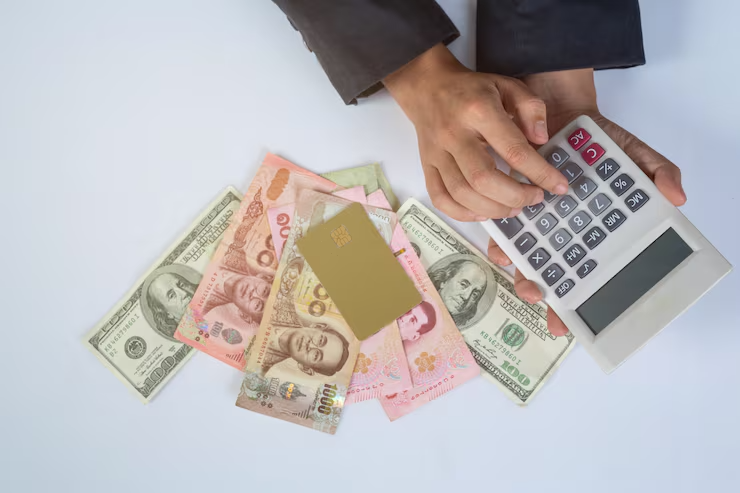

Ghana’s growing trade relationship with China has created increasing demand for Chinese currency. Importers, students, travelers, and business owners often need to convert local currency into Chinese yuan to complete transactions smoothly. Understanding how to buy RMB in Ghana and monitor exchange rates is becoming essential for many individuals and businesses.
However, currency exchange is more than simply swapping one currency for another. Factors like exchange rate fluctuations, availability of yuan, and reliable exchange platforms can all influence the final amount received. Knowing how the yuan to cedi rate works can help people make informed financial decisions when converting money.

Understanding the Demand for Chinese Yuan in Ghana
Growing Trade Between Ghana and China
China has become one of Ghana’s most important trade partners. Many Ghanaian businesses import electronics, machinery, textiles, and other goods from Chinese manufacturers. Because most Chinese suppliers prefer payments in Chinese yuan (RMB), Ghanaian importers often need access to this currency.
The demand for RMB has increased as small and medium-sized businesses expand their international trade networks. Having access to yuan simplifies payments, reduces currency conversion fees, and helps maintain better relationships with suppliers.
Education and Travel Needs
Apart from trade, students traveling to China for higher education also require RMB. Many universities request tuition payments in yuan, and living expenses in China are usually handled using the local currency.
Similarly, travelers and professionals visiting China for business purposes often exchange Ghanaian cedis for yuan before departure to avoid inconvenience abroad.
Factors That Influence the Yuan to Cedi Rate
Global Currency Market Movements
Exchange rates between currencies fluctuate daily due to global financial market movements. The yuan to cedi rate can change based on economic conditions in China and Ghana, trade balances, and monetary policy decisions.
For instance, shifts in commodity prices or economic growth indicators may impact how the cedi performs against international currencies. These changes affect how much RMB someone receives when exchanging cedis.
Supply and Demand for RMB
The availability of yuan in local currency markets also plays a role. If many traders require RMB for imports, demand increases and exchange rates may shift slightly depending on market supply.
Currency exchange providers typically monitor these conditions closely to ensure they provide accurate and competitive rates for customers.
How to Buy RMB in Ghana Safely
Choose Reliable Exchange Services
The first step when planning to buy RMB in Ghana is choosing a trusted currency exchange service. Reliable platforms provide transparent exchange rates and clear transaction processes.
Online exchange services have made the process easier by allowing users to check current rates before completing transactions. For example, individuals looking for reliable information about RMB exchange can explore platforms such as Buy-RMB, which provides insights into currency conversion options.
Compare Exchange Rates Before Converting
It is always wise to compare rates from multiple exchange providers before completing a transaction. Even small differences in the yuan to cedi rate can make a noticeable difference when exchanging larger amounts.
Monitoring exchange rate trends over several days may also help identify the most favorable moment to convert currency.
Keep Documentation Ready
Currency exchanges often require identification or transaction records for security and regulatory purposes. Ensuring documents are ready can help avoid delays during the exchange process.
Tips for Managing Currency Exchange Efficiently
Monitor Exchange Rate Trends
Individuals who frequently exchange currency should keep track of trends in the yuan to cedi rate. Rates may change depending on international economic conditions, so planning ahead can help secure better value.
Setting alerts or checking financial updates can help traders and travelers stay informed.
Plan Transactions in Advance
Waiting until the last moment to exchange currency can sometimes result in unfavorable rates. Planning transactions early allows individuals to compare options and secure a better deal.
This is especially important for businesses importing goods from China, where large payments may be involved.
Avoid Unverified Exchange Sources
Using informal exchange channels may expose individuals to risk. Unregulated exchanges may provide inaccurate rates or unreliable transactions. Choosing trusted currency exchange platforms ensures transparency and security.
Conclusion
The need for Chinese yuan in Ghana continues to grow as trade, education, and travel between the two countries expand. Understanding how to buy RMB in Ghana and keeping track of the yuan to cedi rate helps individuals and businesses make smarter financial decisions.
By monitoring exchange rates, choosing reliable platforms, and planning transactions carefully, users can manage their currency conversions with greater confidence. As international trade continues to strengthen, access to efficient and trustworthy currency exchange services will remain an important part of global financial activity.